When the Materials Don't Show Up: What Richmond Pool Buyers Need to Know About Supply Chain Delays
You've done everything right. You vetted contractors, signed a solid contract, and scheduled your build with enough lead time to be swimming by July Fourth. Then your builder calls with that familiar, uncomfortable pause before the words: "We're still waiting on a few things."
Supply chain disruptions aren't just a pandemic-era ghost story. They're an ongoing reality in the construction industry — and pool projects, which depend on a surprisingly complex web of vendors, materials, and specialized equipment, are especially vulnerable. If you're planning a pool build in the Richmond area, understanding how material shortages work — and more importantly, how good contractors manage around them — could save you a summer's worth of frustration.
Why Pool Construction Is More Supply-Chain-Dependent Than You'd Think
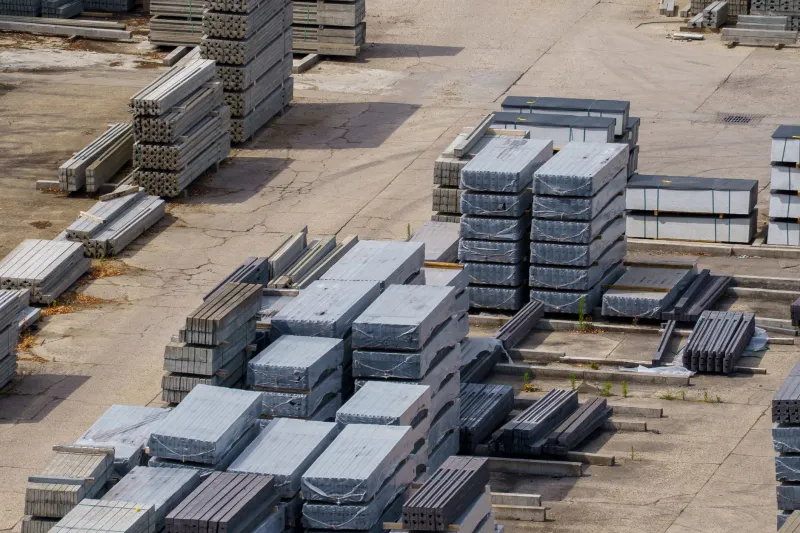
From the outside, building a pool looks pretty straightforward: dig a hole, put in a shell, add water. But the actual list of components involved is long and surprisingly specific. Gunite or shotcrete, fiberglass shells, rebar, coping stones, tile, pool decking materials, filtration systems, pumps, heaters, automation controls, lighting — every single one of those items comes from a different supplier, often manufactured in different states or countries.
When even one component is backordered, the whole timeline can shift. A pump controller stuck in a warehouse in California holds up the electrical phase. A delayed tile shipment from overseas means the finish crew can't start. Unlike a house build, where crews can sometimes work around a missing component and come back to it, pool construction often follows a strict sequence. You can't pour the deck until the plumbing is inspected. You can't fill the pool until the finish coat is done. Every delay cascades.
What's Actually Causing the Bottlenecks Right Now
Talk to Richmond-area pool builders long enough and a few recurring culprits come up again and again.
Fiberglass shell lead times have stretched significantly in recent years. Shells are manufactured regionally and shipped by truck — which means they're subject to both production backlogs at the factory and logistical headaches during transport. A shell that used to arrive in six to eight weeks might now take four to five months.
Pool equipment — especially automation systems and variable-speed pumps — has been hit hard by semiconductor shortages that still ripple through the electronics supply chain. These aren't luxury add-ons; modern energy-efficient pools require them, and many Richmond jurisdictions now mandate variable-speed pumps in new builds.
Natural stone and specialty tile sourced internationally can be delayed by port congestion, shipping container shortages, or customs slowdowns. If your design calls for a specific travertine or imported porcelain, your builder needs to have that material ordered well before construction begins — not after.
How Some Contractors Navigate It Better Than Others
Here's where contractor quality starts to separate itself from the sales pitch. The builders who handle supply chain issues well aren't necessarily the ones who promise the shortest timelines — they're the ones who plan for disruption before it happens.
The best contractors in the Richmond market tend to do a few things differently:
They pre-order critical materials early. Rather than ordering equipment after a contract is signed, experienced builders start the procurement process the moment they have a serious buyer. Some even maintain relationships with local distributors that give them priority access during high-demand periods.
They have backup vendor relationships. A contractor who sources everything from a single distributor is one supply disruption away from a crisis. Builders with multiple vendor relationships can often pivot to an alternative supplier when their primary source falls through.
They build buffer time into their schedules. A contractor who promises a 10-week build with zero margin for error is either wildly optimistic or not being straight with you. Realistic timelines account for the fact that something, somewhere, will arrive late.
They communicate proactively. The moment a builder knows a shipment is delayed, you should hear about it — not three weeks later when you notice the crew hasn't shown up. Contractors who stay ahead of communication are the ones who've built systems to track their orders and flag problems early.
Questions to Ask Your Contractor Before You Sign
Most homeowners focus their pre-contract questions on price and design. That's understandable, but it leaves a big blind spot. Here are some questions worth adding to your checklist:
-
"Where do you source your pool equipment, and what's the current lead time?" A builder who can answer this specifically — not just "we have great suppliers" — has actually looked into it.
-
"What happens if a key material is delayed after we break ground?" Listen for a real contingency plan, not just reassurance that it won't happen.
-
"Do you pre-order materials before construction begins, or after?" The answer tells you a lot about how operationally mature the company is.
-
"Have any of your recent projects run significantly over schedule? What caused it?" A contractor who can't name a single delay — ever — probably isn't being honest. One who can explain what happened and how they handled it is showing you something real.
-
"What's your relationship with your primary equipment distributor?" Contractors with strong distributor relationships often get faster fulfillment and early heads-up on incoming shortages.
What to Look for in Your Contract
Beyond the conversation, your contract should do some heavy lifting here too. Look for language that addresses timeline expectations honestly, including what triggers a legitimate schedule extension versus what constitutes a contractor falling behind on their end.
Contracts that include a vague "delays beyond our control" clause without any specifics can leave you with little recourse if your build drags on for reasons that weren't actually unforeseeable. Ask your builder to clarify what qualifies as a force majeure event and what doesn't. Material shortages that a competent contractor could have anticipated — and planned around — probably shouldn't fall into that category.
The Bottom Line for Richmond Homeowners
Supply chain issues aren't going away anytime soon, and the pool industry isn't immune to the same pressures affecting construction broadly. But that doesn't mean you're helpless. The homeowners who end up swimming on schedule are usually the ones who asked harder questions upfront, chose contractors with real procurement systems in place, and set realistic expectations about timelines from the beginning.
A builder who's upfront about potential delays and has a plan to manage them is a far better partner than one who promises a perfect timeline and goes quiet when things inevitably get complicated. In Richmond's competitive pool market, that kind of operational honesty is one of the clearest signals that you're dealing with a contractor who's actually done this before.